The international integration nobody ends up leading
The announcement goes out the same day in both countries. Shareholders briefed, leadership teams introduced, synergies quantified in the press release. Eighteen months...




The announcement goes out the same day in both countries. Shareholders briefed, leadership teams introduced, synergies quantified in the press release. Eighteen months...
The United States presidential election this November represents a pivotal moment for Spanish companies with interests in the U.S. market. Both Kamala Harris and Donald Trump propose very different economic visions for key sectors such as infrastructure, renewable energy, foreign trade, and talent mobility. These differences will bring both opportunities and challenges for the competitiveness of Spanish companies in the United States

For the past two years, almost no executive committee has managed to take AI off the agenda. A budget has been approved, a leader has been appointed, and a few pilot projects have been launched. But there’s one question that’s almost never asked in those same meetings: Does this committee, today, have the capabilities to truly lead that transformation, or is it simply managing it from the sidelines?

Hiring a CEO, a Chief Operating Officer, or a CFO in 2026 is not simply “filling a vacancy”; it is a high-risk, high-reward corporate endeavor. In a market where top-tier executive talent is scarce and the necessary skills are evolving at breakneck speed, posting a job opening and waiting, the method known as “Post & Pray”, is strategically irresponsible.
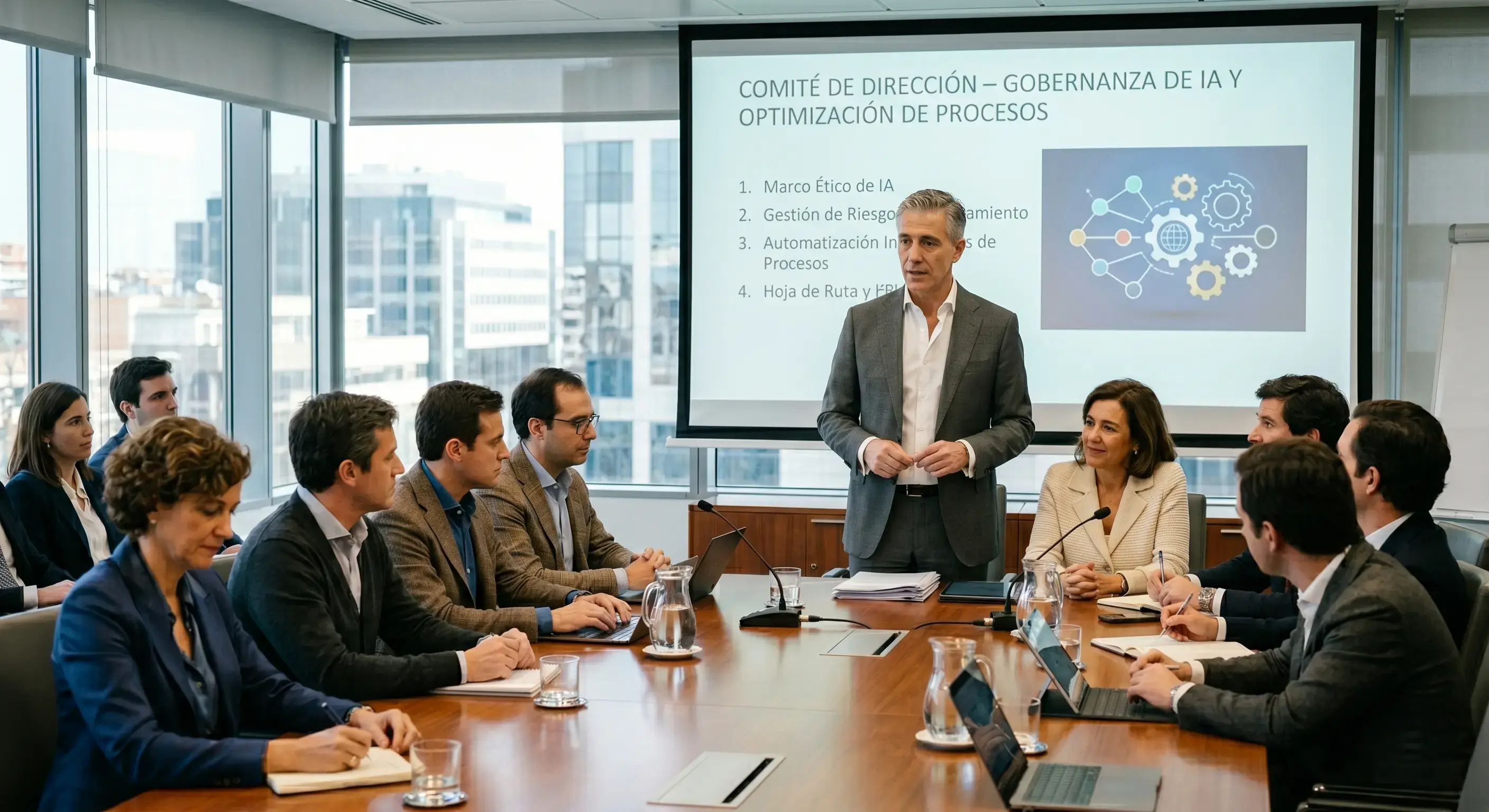
For the past two years, virtually no board of directors has been able to avoid putting an item on its agenda regarding artificial intelligence. And yet, most organizations remain stuck in the same place: they know they have to take action, they’ve run a few pilot projects, they’ve purchased a few licenses, and the topic resurfaces at the next meeting without any real progress having been made.

Imagine the scene. After a rigorous selection process, the company finds the perfect executive to lead its new overseas subsidiary. Impeccable technical credentials, a solid track record, and a good fit with the corporate culture. The decision is made, the contract is signed, and the relocation is underway. On paper, everything points to success.

On May 11, the European Union published Directive 2026/1021, which brought about a fundamental change in European corporate governance: if an executive commits an act of corruption on behalf of the company, that individual is no longer the only one held liable. The organization is also held liable.

In executive recruitment, what you see at first glance is not all there is. If your talent recruitment strategy is limited to posting an offer on LinkedIn or job boards, you are fishing in a very small fishbowl: that of professionals who are actively looking for work.

As we close the first four months of 2026, a tangible reality is confirmed: the Interim Management market in Spain has reached full maturity. Organizations should no longer see this figure as an emergency solution to cover unforeseen departures.

In day-to-day talent management, there is a constantly recurring scene in general management and human resources: a strategic position becomes vacant and the dilemma of who to choose for the position arises. Historically, companies have grappled with a critical blind spot in these processes: the huge gap between what a candidate claims in an interview and his or her actual performance in the work environment.


